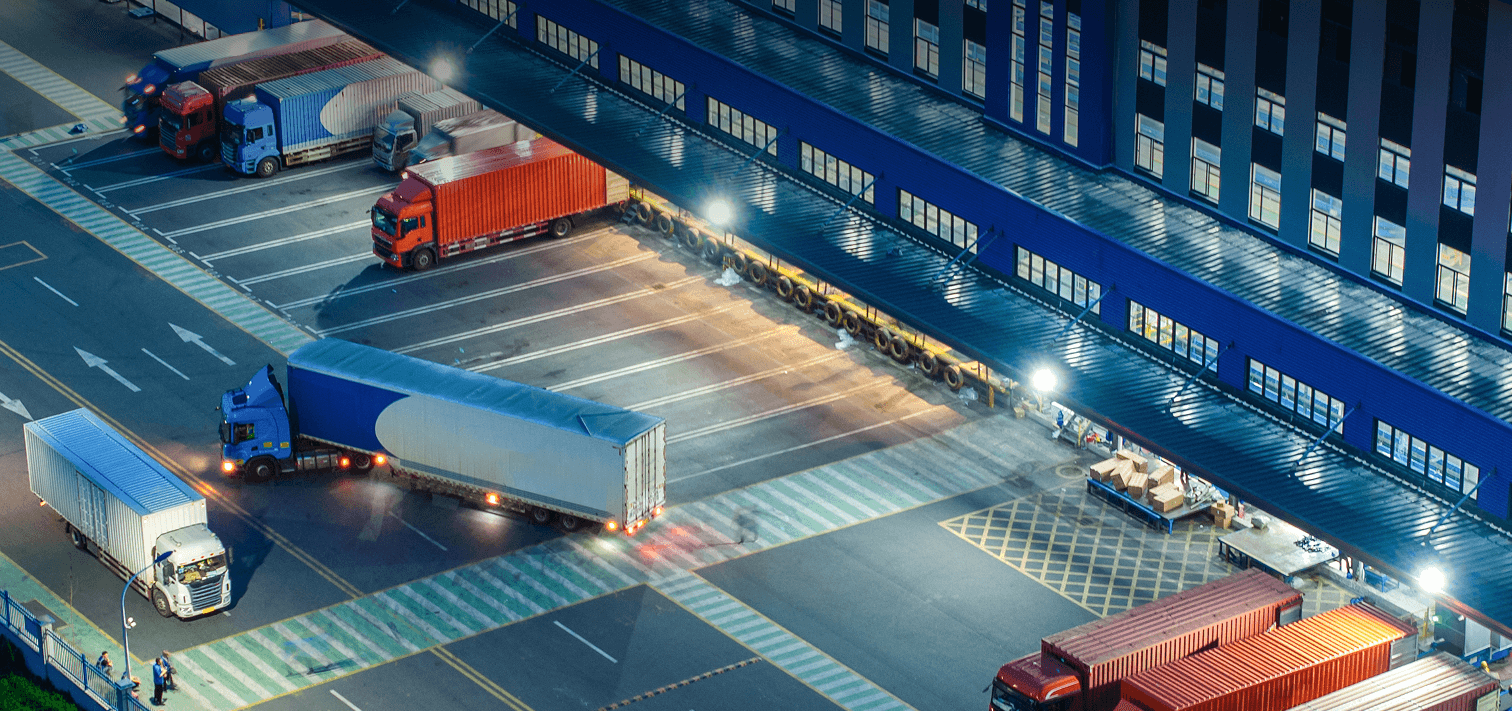
Logistics & Supply Chain
When Systems Fall Out of Sync, Operations Break
Logistics environments depend on timing, coordination, and continuous system alignment.
Data moves across systems, partners, and locations in real time. When that flow breaks, operations slow, visibility drops, and downstream impact builds quickly.
RedZone delivers logistics IT services that maintain system alignment, enforce control, and support consistent execution across distributed environments.
Logistics Depends on Coordination
In logistics, systems do not operate in isolation. They operate as a network.
Production lines depend on system availability, and plant operations rely on connected infrastructure. Scheduling, inventory, and logistics functions depend on coordinated system behavior, with data moving continuously across systems, locations, and partners.
When systems fall out of alignment, the impact is immediate. Production slows, output targets are missed, and downstream processes are disrupted.
At the same time, environments continue to change. Systems are updated, endpoints are replaced, users move across roles, and integrations expand. Without consistent control, these changes introduce drift.
Many environments appear stable on the surface. Systems are running and operations continue. But stability does not mean systems are aligned. Configurations vary across sites, access expands beyond intended roles, infrastructure evolves without standardization, and dependencies are not fully visible.
Logistics environments cannot rely on reactive IT to manage this complexity.
RedZone addresses this by maintaining control as systems operate, not after issues surface.
Keeping systems online is necessary. It is not enough.
A logistics environment can remain operational while still accumulating risk. Systems may remain active while drifting from defined standards. Access permissions expand beyond intended scope, infrastructure behaves differently across locations, and integrations create hidden dependencies that are not immediately visible.
These conditions introduce variability.
Variability affects coordination, timing, and execution across the supply chain. Data may be visible but not consistent. Updates may occur but not synchronize. Systems may function but not align across environments.
The issue is not visibility.
The issue is control.
RedZone closes this gap by ensuring systems remain aligned, data flows remain consistent, and changes are validated continuously as part of daily operations.
The Gap Between Uptime and Control
Industries
The RedZone Continuum in Logistics
Logistics environments require consistent alignment across systems, users, and data flows.
Each layer reinforces the next. Alignment is maintained across the environment.

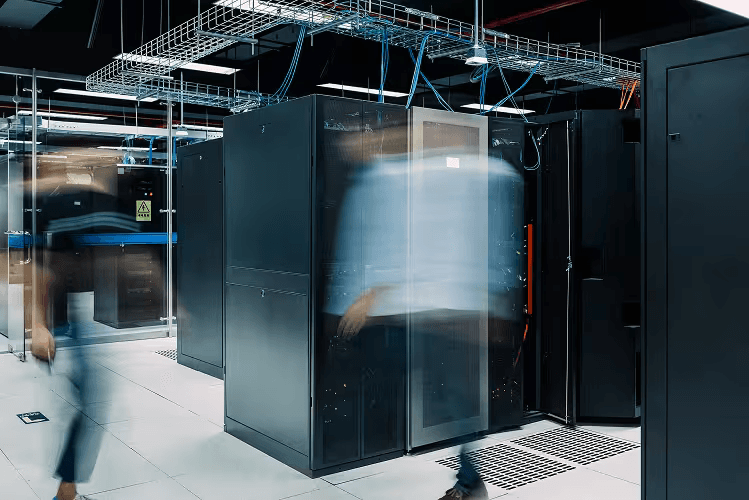

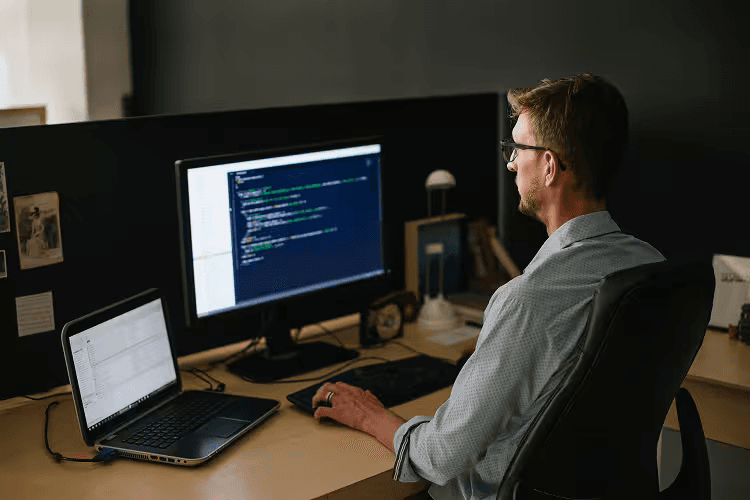
How Logistics IT Is Maintained in a Controlled State
System and Data Flow Visibility
Logistics environments rely on continuous data movement. RedZone maintains visibility across systems, platforms, and integrations so activity is understood as it happens.
- real-time visibility across systems and infrastructure
- mapping of system relationships and data flows
- identification of inconsistencies across environments
- visibility into internal and external dependencies
Outcome: Systems and data flows remain visible, current, and measurable.
Integration and Synchronization Control
Coordination depends on consistent system behavior. RedZone ensures integrations remain aligned and predictable.
- validation of integration performance across systems
- monitoring of data synchronization between platforms
- identification of delays or inconsistencies
- enforcement of standardized system interactions
Outcome: Systems remain synchronized, reducing delays and misalignment.
Identity and Access Alignment
Access must remain consistent across users, systems, and partners. RedZone maintains control across distributed environments.
- validation of user and partner access
- enforcement of access controls across environments
- visibility into third-party access
- monitoring of access behavior across systems
Outcome: Access remains governed and aligned to operational requirements.
Dependency Awareness and Coordination
Logistics systems are tightly connected. Changes in one system affect others. RedZone ensures dependencies are understood and managed.
- mapping of upstream and downstream dependencies
- identification of critical system relationships
- validation of changes before they propagate
- coordination across systems during updates or incidents
Outcome: Dependencies are managed, reducing unexpected disruption.
Drift Detection and Correction
Change is constant. Control must remain consistent.
- identification of system and data drift in real time
- prioritization based on operational impact
- structured remediation workflows
- validation of corrective actions
Outcome: The environment remains aligned as it evolves.
What Controlled Logistics IT Delivers
Across systems and teams.
Across platforms and locations.
Across supply chain processes.
Across teams and partners.
Into system performance.
And resolution.
Across environments.
Across platforms.
In execution and delivery.
Why RedZone for Logistics
Most IT providers focus on system uptime.
RedZone focuses on system alignment.
Logistics requires coordination, not just availability.
RedZone ensures systems remain aligned as operations scale.
Logistics Requires Continuous Alignment
A logistics environment is not controlled because systems are running.
It is controlled when systems remain aligned across the environment.
Data remains consistent. Integrations remain synchronized. Access remains governed. Dependencies remain understood. Changes are validated.
This cannot be achieved through periodic checks.
It must be maintained continuously.
RedZone ensures systems remain aligned as they operate and coordination is sustained across the environment.
That is what logistics IT looks like when it is under control.
Logistics IT Services FAQ
Logistics IT services support the systems, infrastructure, and data flows that coordinate supply chain operations across locations and partners.
Logistics depends on synchronized systems. When systems fall out of alignment, delays, errors, and disruption increase across the supply chain.
Disruption is reduced by maintaining consistent system configuration, validating integrations, and addressing issues before they impact operations.
RedZone maintains alignment across systems, data flows, and dependencies continuously, improving coordination and reducing variability.
Organizations should look for a partner that can maintain system alignment, ensure consistent data flow, and provide visibility into operational performance.